
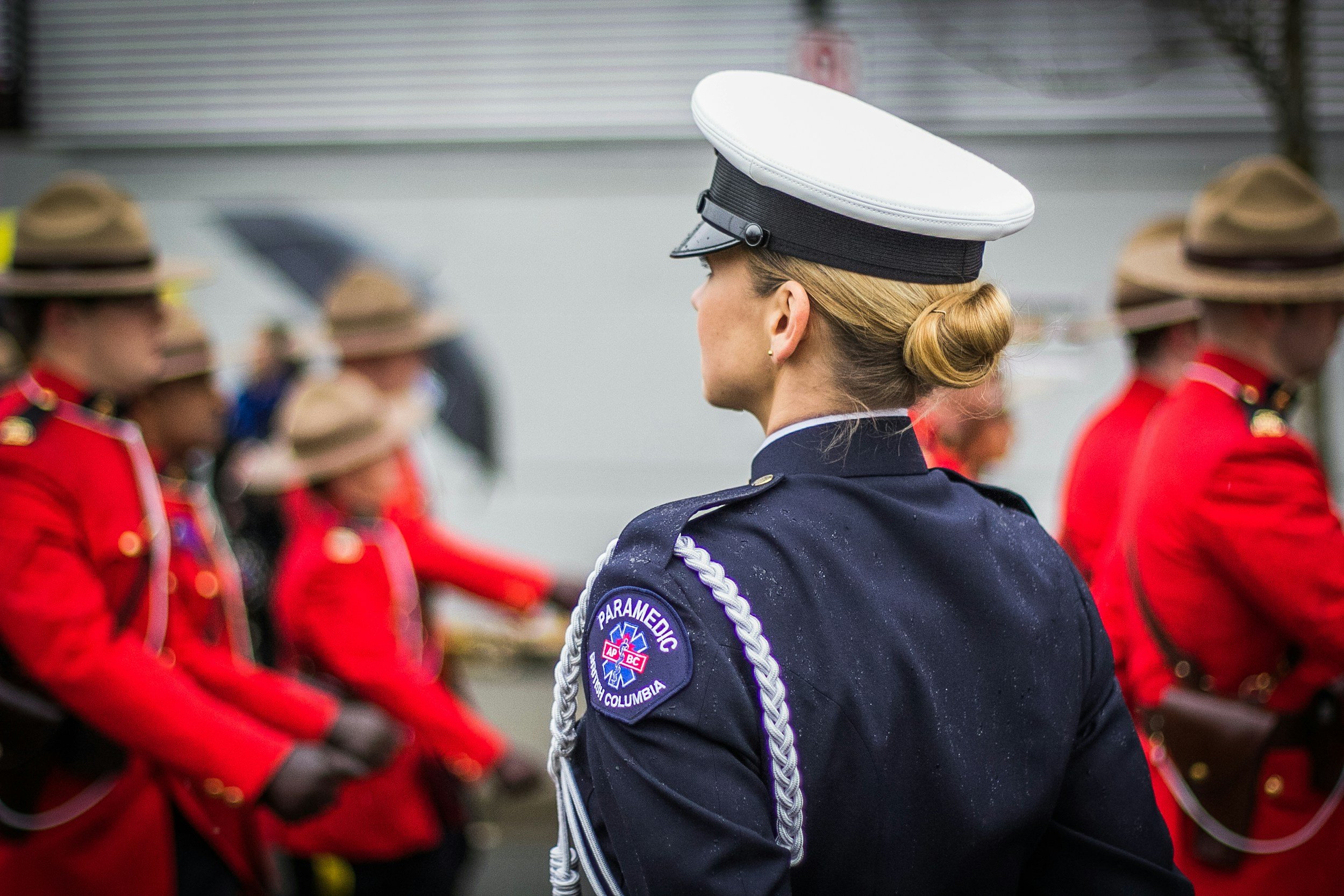
First Responders & Healthcare / Frontline Professionals
First responders and healthcare/frontline professionals often face repeated exposure to high-stress, traumatic, and emotionally intense situations. Over time, this can impact mental health, relationships, and overall well-being—even for those who are highly trained and resilient.
This counselling service may be a good fit if you are a:
Paramedic, firefighter, police officer, or correctional officer
Dispatch professional or emergency services staff
Healthcare worker, frontline medical professional, or support staff
Military member, veteran, or family member of a service member
I’ve had close ties to high-stress professions, which has deepened my understanding of performance pressure, emotional suppression, and how coping strategies, including substance use and behavioural addictions, can develop in response to trauma and demanding environments. This perspective guides my work with first responders and frontline professionals.
I offer counselling specifically tailored to first responders and frontline professionals in British Columbia, and I am listed in the Wounded Warrior Canada directory.
Common Concerns First Responders Bring to Therapy:
Operational stress injuries (OSI) and cumulative trauma
PTSD or trauma-related symptoms (flashbacks, hypervigilance, avoidance)
Anxiety, depression, or emotional numbing
Sleep difficulties, nightmares, or chronic fatigue
Moral injury or distress related to difficult calls or decisions
Burnout, compassion fatigue, or loss of meaning in work
Relationship strain, irritability, or emotional withdrawal
Substance use concerns as a coping strategy
Transitioning out of service or returning after injury/leave
How Counselling Can Help:
Process traumatic or critical incidents at your own pace
Develop practical tools for stress, sleep, and emotional regulation
Understand how trauma and chronic stress affect the nervous system
Strengthen relationships and communication with loved ones
Reconnect with values, identity, and purpose beyond the job
Build resilience and sustainable coping strategies for long-term well-being
Sessions are paced collaboratively and respect the unique culture, demands, and confidentiality concerns of first responder/frontline communities.